



Why Choose Our Marine Fender Manufacturer
As a specialized rubber fender manufacturer, we combine decades of hands-on experience with modern production facilities. Our focus is simple: deliver high-performance, long-lasting marine fenders that protect vessels and berthing structures in the toughest marine environments. From commercial ports to offshore terminals, our products are trusted for their consistency, strength, and durability. We don’t just make fenders-we engineer safety and reliability into every unit.
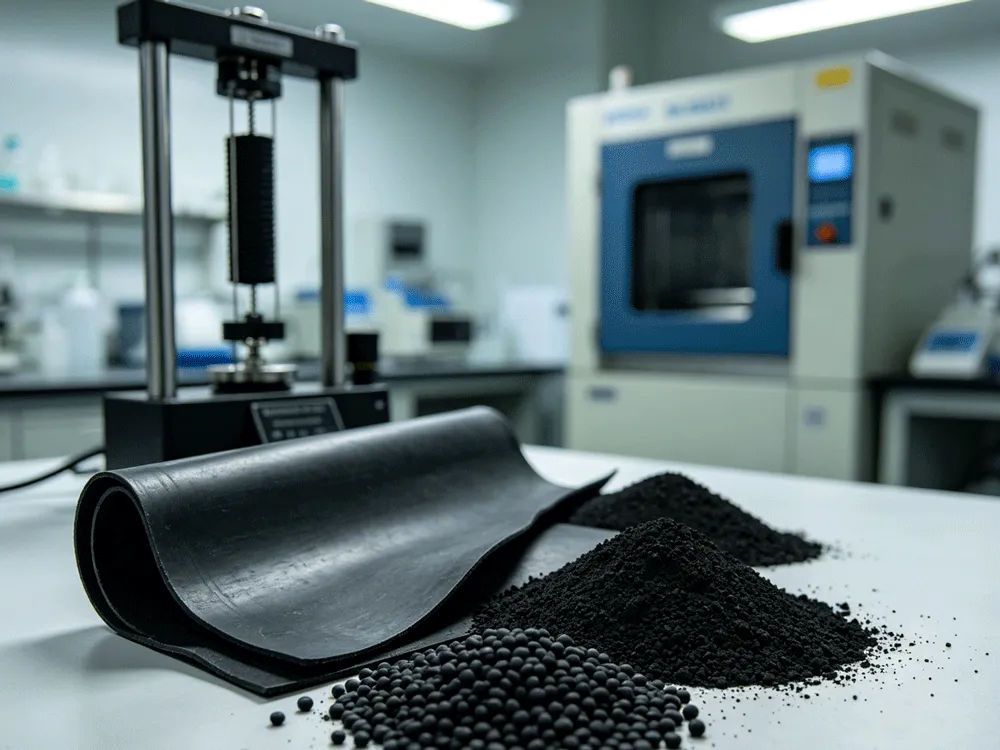
Advanced Rubber Formulation
Optimized material composition for durability, weather resistance, and long service life. Our in-house rubber compound recipes are developed through continuous testing and real-world feedback. We fine-tune the ratio of natural rubber, reinforcing fillers, anti-aging agents, and vulcanization systems to achieve superior mechanical properties. The result: fenders that resist cracking, ozone attack, and saltwater corrosion, maintaining high energy absorption even after years of heavy use. By controlling raw material selection and formulation, we also reduce the risk of batch-to-batch variation--so you get the same high quality every time.
read more
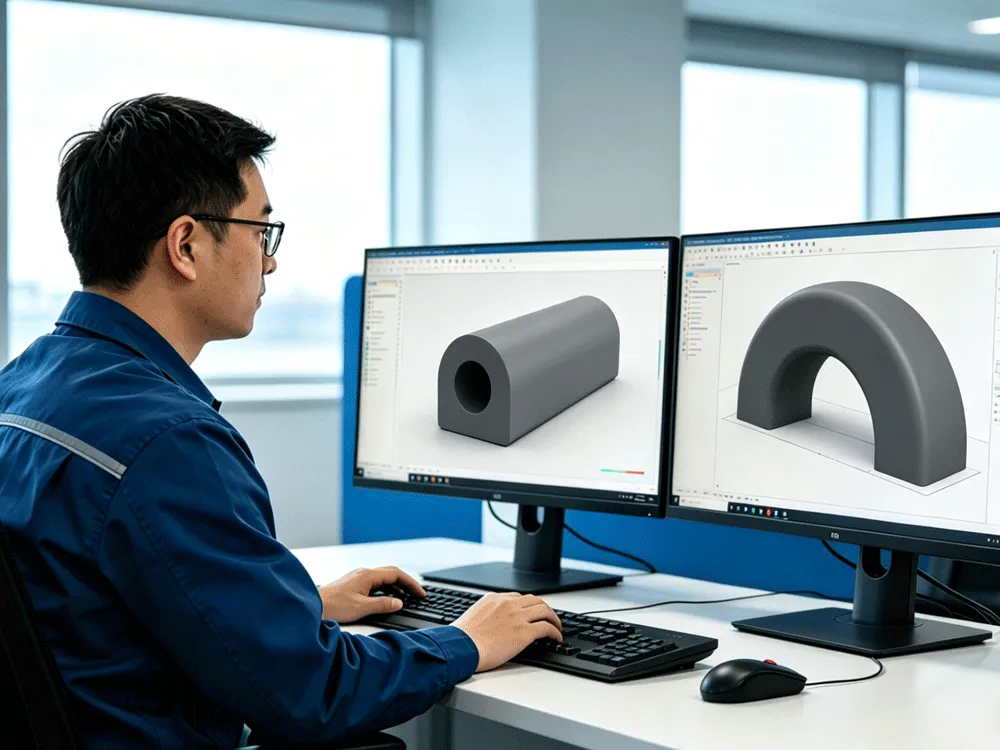
Engineering Expertise
Professional technical team supporting design, selection, and project consultation. Our engineering department does more than take orders--we partner with you to solve challenges. Whether you need standard arch or cell fenders, or a custom shape for a unique berth layout, our team provides finite element analysis (FEA), reaction force calculations, and performance simulations. We also assist with fender spacing, panel design, and chain/tyre net recommendations. No matter where your project is, our engineers are ready to answer technical questions and ensure the selected fender matches your vessel DWT, berthing velocity, and tidal conditions perfectly.
read more
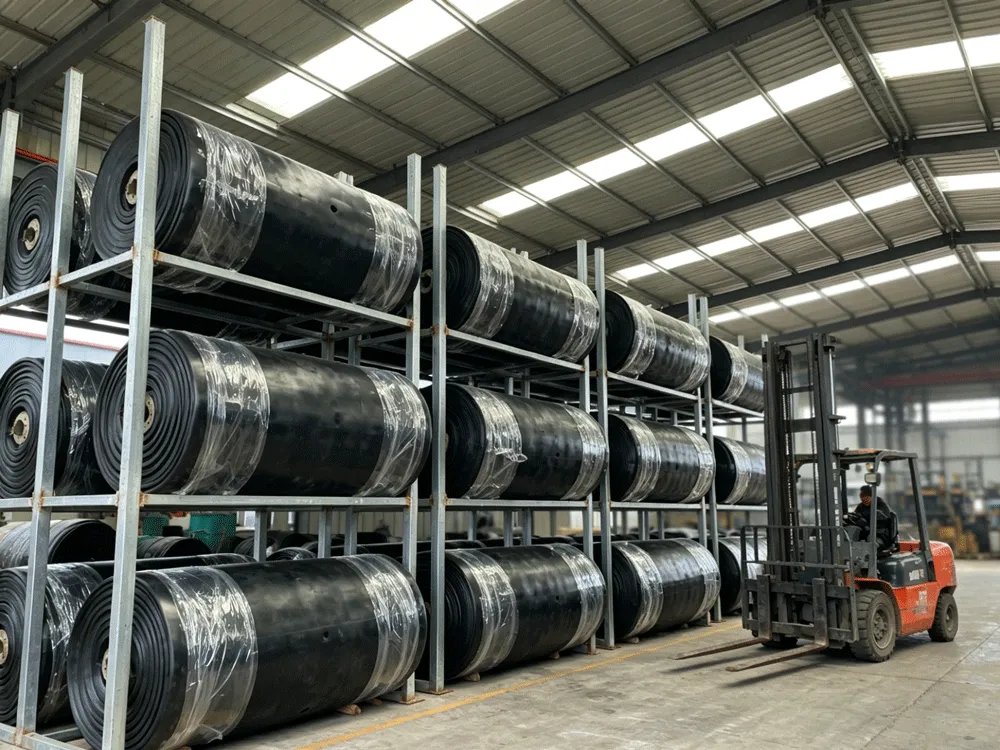
Stable Production Capacity
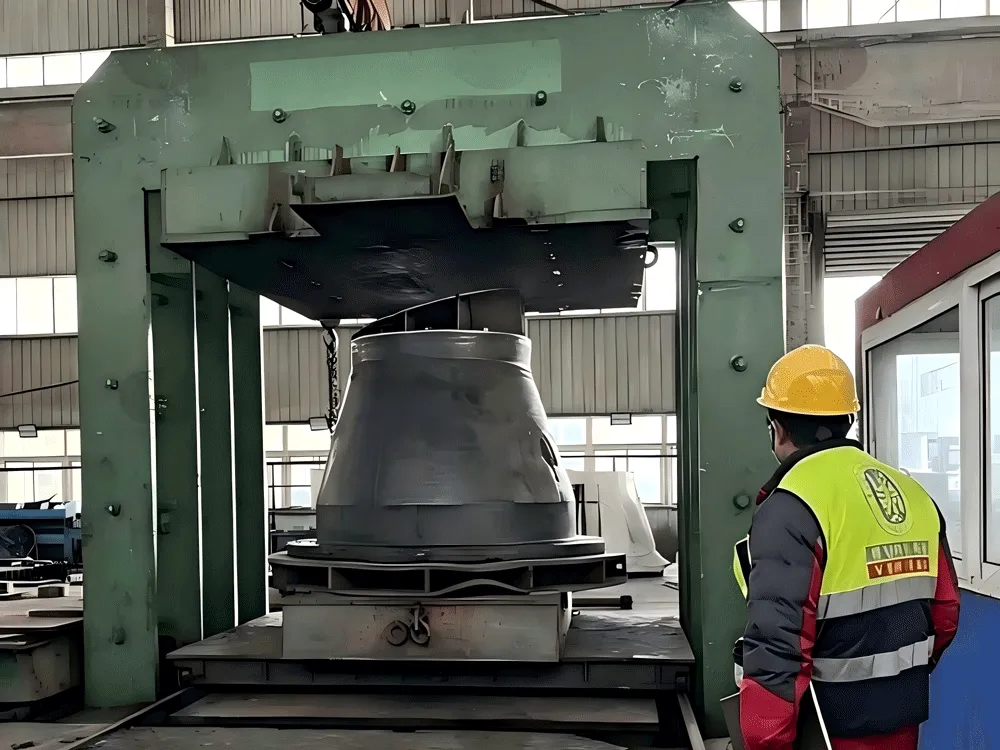
Modern manufacturing facilities ensuring consistent quality and reliable delivery. We operate dedicated rubber mixing lines, large hydraulic vulcanizing presses, and automated assembly stations. This integrated setup allows us to control production schedules tightly and reduce lead times. Our monthly output covers hundreds of units, from small W-type fenders to Super Cell fenders for very large crude carriers (VLCCs). To protect your project timeline, we maintain a transparent production tracking system and buffer stock of common accessories (flanges, bolts, front pads). On-time delivery is a standard we rarely miss-even for rush orders or multiple-phase port expansions.
read more
Strict Quality Control
Comprehensive testing processes to meet international marine standards. Every fender leaving our factory goes through a documented quality control chain. We start with incoming raw material inspection (tensile, hardness, specific gravity), then move to in-process checks during mixing and molding. Finished fenders are subjected to compression-deflection tests, adhesion tests for rubber-to-steel bonding, and dimensional verification against approved drawings. Our lab also performs accelerated aging, ozone resistance, and low-temperature flexibility tests to validate long-term performance. All records are traceable by batch, and we can provide third-party witnessed testing (e.g., SGS, BV) upon request. Meeting ISO 17357, PIANC, and ROM standards is our baseline--exceeding your expectations is our goal.
read more
Custom Marine Fender Solutions
• Support for drawing-based customization
• Engineering calculation (reaction force, energy absorption)
• Material and structure optimization
• Free design support available
-
142026-8
Life Saving Equipment List On Ships
During maritime navigation, vessels may face various emergencies such as collisions, fires, severe weather, and mecha...
-
142026-8
Difference Between Lifeboat And Liferaft: How To Choose?
In a vessel's safety system, life saving equipment is a critical component for protecting the lives of crew membe...
-
142026-8
What Is Life Saving Equipment? A Complete Guide
In the fields of maritime transport, port operations, and offshore engineering, safety is always a top priority. Due ...
-
312026-7
T-Head Mooring Bollard Explained: Structure And Function
Within port and offshore engineering systems, mooring infrastructure represents a critical yet often underestimated c...