

What are the maintenance requirements for mooring bollards?
Jun 12, 2025
Mooring bollards are essential components in the marine and industrial sectors, used for securing vessels, boats, and other floating structures. As a mooring bollard supplier, I've seen firsthand the importance of proper maintenance to ensure their long - term functionality and safety. In this blog, I'll discuss the key maintenance requirements for mooring bollards.
1. Regular Inspection
The first step in maintaining mooring bollards is regular inspection. You should check your bollards at least once a month, especially if they're in a high - traffic area or exposed to harsh environmental conditions.
During the inspection, look for any signs of physical damage. This includes cracks, dents, or corrosion. Cracks can weaken the bollard's structure, making it more likely to fail under stress. Dents may not seem like a big deal at first, but they can affect the way ropes or cables fit around the bollard, potentially leading to slippage.
Corrosion is one of the biggest enemies of mooring bollards. It's caused by the reaction of the metal with oxygen and moisture in the environment. In a marine setting, saltwater can accelerate the corrosion process. If you notice any rust spots or areas where the paint is peeling, it's a sign that corrosion might be starting.
To inspect for corrosion, you can use a small hammer to gently tap the bollard. A dull thud might indicate that there's some internal corrosion. You can also look for discoloration or a powdery substance on the surface of the bollard.
2. Cleaning
Cleaning is an important part of mooring bollard maintenance. Over time, dirt, grime, and marine growth can accumulate on the bollard. This not only makes the bollard look bad but can also contribute to corrosion.
For regular cleaning, you can use a mild detergent and water. A soft - bristle brush can help you get into the nooks and crannies of the bollard. Make sure to rinse the bollard thoroughly after cleaning to remove any soap residue.
In some cases, you might need to use a more aggressive cleaning method. For example, if there's a lot of marine growth, you can use a pressure washer. However, be careful not to use too much pressure as it can damage the bollard's surface.
If the bollard is made of a non - metal material like plastic or composite, you need to use a cleaning product that's specifically designed for that material. Using the wrong cleaner can cause discoloration or damage to the surface.
3. Lubrication
Lubrication is crucial for mooring bollards, especially those with moving parts. For example, some bollards have swiveling or rotating components. These parts need to be lubricated regularly to ensure smooth operation.
You can use a high - quality marine - grade lubricant. Apply the lubricant to the moving parts according to the manufacturer's instructions. Make sure to wipe off any excess lubricant to prevent dirt and debris from sticking to it.
If you're not sure which lubricant to use, you can always contact the manufacturer or consult with an expert. Using the wrong lubricant can cause damage to the bollard's parts and reduce its lifespan.
4. Paint and Coating Maintenance
Paint and coatings serve as a protective layer for mooring bollards. They help prevent corrosion and keep the bollard looking good. If the paint or coating on your bollard is damaged, it's important to repair it as soon as possible.
First, you need to prepare the surface. This involves removing any loose paint, rust, or debris. You can use a wire brush or sandpaper to do this. Once the surface is clean and smooth, you can apply a primer. The primer helps the new paint adhere better to the surface.
After the primer has dried, you can apply the topcoat. Make sure to choose a paint or coating that's suitable for the environment in which the bollard is located. For example, in a marine environment, you should use a paint that's resistant to saltwater and UV rays.
5. Foundation and Mounting Checks
The foundation and mounting of the mooring bollard are just as important as the bollard itself. Over time, the ground around the bollard can shift, or the mounting hardware can become loose.
Check the foundation for any signs of cracking, sinking, or erosion. If you notice any of these issues, it's important to address them immediately. A cracked foundation can compromise the stability of the bollard, while sinking or erosion can cause the bollard to become uneven.

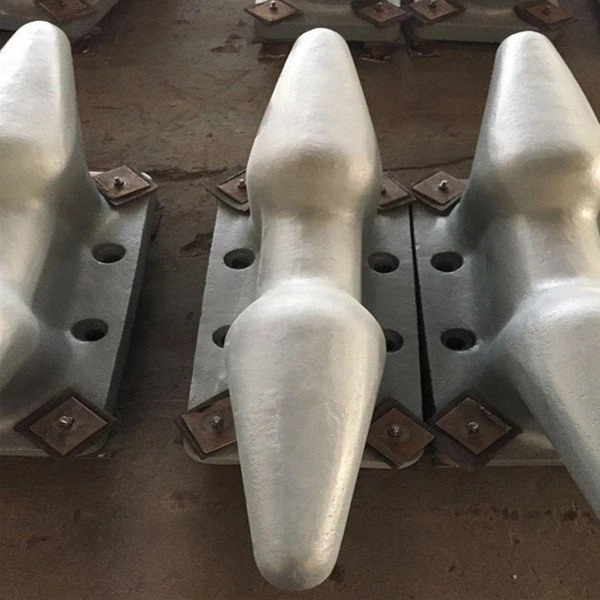
Inspect the mounting hardware, such as bolts and nuts, to make sure they're tight. If any of the hardware is loose, tighten it using the appropriate tools. If the hardware is damaged or corroded, replace it.
6. Different Types of Mooring Bollards and Their Specific Maintenance
There are different types of mooring bollards, each with its own unique maintenance requirements.
-
Cleat Bollard: The Cleat Bollard is a popular type of bollard. It has a flat base with cleats on top for securing ropes. The cleats can accumulate dirt and debris, so make sure to clean them regularly. Also, check the welds between the cleats and the base for any signs of cracking.
-
Single Bitt Bollard: The Single Bitt Bollard is a simple and sturdy design. It's important to inspect the top of the bitt for any signs of wear or damage, as this is where the ropes are usually wrapped. You should also check the base of the bitt to ensure it's still firmly attached to the ground.
7. Anchor - Related Considerations
If your mooring bollard is part of an anchoring system, you need to pay special attention to the Anchor. The anchor should be inspected regularly for damage, such as bent flukes or a damaged shank. Make sure the chain or rope connecting the anchor to the bollard is in good condition, without any signs of fraying or corrosion.
Conclusion
Proper maintenance of mooring bollards is essential for their safety and longevity. By following these maintenance requirements, you can ensure that your bollards continue to perform their function effectively.
If you're in the market for high - quality mooring bollards or need more information on maintenance, don't hesitate to get in touch. We're here to help you make the right choices for your marine or industrial needs.
References
- Marine Equipment Handbook
- Guidelines for Mooring Equipment Maintenance from Industry Standards Organizations