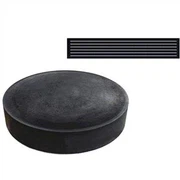
Rubber Fender Production Process: Key Factors In Protecting Ships
Jun 19, 2024
Rubber fenders play a crucial role in safeguarding ships and port facilities, offering exceptional wear resistance, weather resistance, and energy absorption. They effectively mitigate the impact between ships and docks, reducing potential damage and maintenance costs. The selection of raw materials and precision in the manufacturing process directly influence the performance and reliability of marine rubber fenders. High-quality raw materials form the basis for producing high-performance rubber fenders, while meticulous manufacturing processes ensure their quality.
Material selection - Types and characteristics of rubber materials
In the manufacturing process of rubber fenders, the type and characteristics of rubber materials play a crucial role. Commonly used rubber materials include natural rubber, synthetic rubber, and special rubber. Natural rubber plays a vital role in fender production due to its exceptional elasticity and wear resistance. Its high elasticity enables the fender to effectively absorb energy upon impact, thereby reducing collision force between ships and docks. Synthetic rubber exhibits superior weather and oil resistance, making it suitable for use in harsh environments where rubber fenders are required. Specialized rubbers possess unique properties such as high temperature resistance and low temperature resistance, catering to specific needs in various scenarios.
● Natural rubber
The unique molecular structure of natural rubber imparts exceptional physical properties to it. The elongated and pliable molecular chain of natural rubber endows it with remarkable elasticity and toughness. During the manufacturing process of rubber fenders, the inherent elasticity of natural rubber ensures swift restoration to its original state upon impact, thereby prolonging the service life of the fender. Moreover, natural rubber exhibits commendable resistance against wear and aging, enabling consistent performance over extended periods of use.
● Synthetic rubber
Synthetic rubber is obtained through artificial synthesis, allowing for the adjustment and optimization of its properties as required. For instance, by altering the formulation and process conditions of synthetic rubber, it can exhibit enhanced resistance to weathering and oil degradation. This enables synthetic rubber to effectively withstand more complex environments when utilized in the production of rubber fenders. Additionally, the relatively low cost of synthetic rubber ensures effective control over the manufacturing expenses associated with rubber fender production.
● Special rubber
Special rubber is developed and produced to meet specific requirements. For instance, high-temperature resistant special rubber can maintain stable performance in elevated temperatures, making it suitable for rubber fenders used in tropical areas or high-temperature workplaces. Low-temperature resistant special rubber can retain elasticity even in extremely cold environments, ensuring that the protective side functions normally under low temperature conditions. The utilization of these specialized rubbers enables rubber fenders to adapt to a broader range of usage scenarios.
In conclusion, the selection of rubber materials with specific types and characteristics is essential in the manufacturing process of rubber fenders. The appropriate choice of rubber material ensures optimal performance and longevity of the fender, meeting safety requirements for ship-to-dock interactions.


Rubber fender production process
1. Raw material preparation and pretreatment
Firstly, the selection of high-quality natural rubber or synthetic rubber with stable performance and excellent tensile strength, wear resistance, and aging resistance is crucial to lay a solid foundation for the subsequent mixing and molding process. Secondly, pretreatment involves cleaning, drying, and crushing of rubber materials to enhance the uniformity and efficiency of mixing.
2. Mixing and forming process
Mixing is the process of blending rubber materials, accelerators, and other raw materials in specific proportions, and its quality directly impacts the performance and lifespan of the product. It is essential to strictly control the ratio of raw materials and mixing temperature during the mixing process to ensure uniformity and stability of rubber materials. Additionally, utilizing advanced mixing equipment and technology such as mixing machines and open mixers can enhance mixing efficiency and product quality.
The molding process involves processing the mixed rubber material into the desired shape. It is essential to select the appropriate molding method and mold to ensure dimensional accuracy and appearance quality of the product. Additionally, precise control of parameters such as temperature, pressure, and time during the molding process is necessary to guarantee product quality and performance.
3. Vulcanization and post-treatment
Vulcanization and post-treatment play a crucial role in enhancing the performance and quality of rubber fender. During vulcanization, the rubber material undergoes a cross-linking reaction under specific temperature and pressure with the aid of vulcanization agent, resulting in the formation of a three-dimensional network structure that improves the strength and wear resistance of rubber. The selection of vulcanization time and temperature are two critical parameters that directly impact the performance and quality of rubber fender.


In conclusion, the quality of Marine rubber fender is significantly influenced by the choice of raw materials and the precision of its manufacturing process. The use of high-grade materials and meticulous production techniques are essential in ensuring the reliability and performance of rubber fenders. As technology continues to advance, future developments in Marine rubber fender manufacturing will prioritize environmental sustainability, operational efficiency, and intelligent design to meet the demanding requirements of the marine industry for high-performance and dependable buffer devices.