

What is the water absorption rate of cone rubber fenders?
May 30, 2025
Hey there! As a supplier of Cone Rubber Fenders, I often get asked about the water absorption rate of these fenders. It's a pretty important factor, especially if you're planning to use them in marine environments. So, let's dive right in and explore what the water absorption rate of cone rubber fenders actually is.
What Are Cone Rubber Fenders?
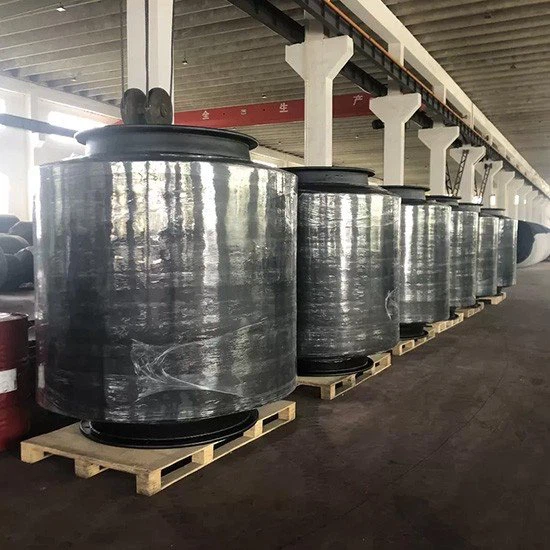
First things first, for those who might not be familiar with cone rubber fenders, they're commonly used in ports, docks, and other marine structures. Their main job is to absorb the kinetic energy during ship berthing, preventing damage to both the vessels and the berthing structures. They're designed in a conical shape, which provides a high energy absorption capacity and reaction force characteristics.
Why is the Water Absorption Rate Important?
The water absorption rate is a big deal when it comes to cone rubber fenders. Rubber is supposed to be somewhat resistant to water, but if it absorbs too much, it can lead to a bunch of problems. For example, excessive water absorption can cause the rubber to swell. This swelling might change the fender's dimensions, and as a result, its performance could be affected. Also, water absorption can make the rubber softer and less durable over time. It might speed up the aging process, leading to cracks, tears, and a shorter lifespan for the fender.
Factors Affecting the Water Absorption Rate
A few things can influence how much water a cone rubber fender absorbs.
- Rubber Material Composition: Different types of rubber have different water absorption properties. For instance, natural rubber might have a different water absorption rate compared to synthetic rubber like neoprene or nitrile rubber. The additives and fillers used in the rubber compound can also play a role. Some additives can enhance the rubber's resistance to water, while others might make it more prone to absorption.
- Exposure Time: The longer the fender is exposed to water, the more water it's likely to absorb. If a fender is constantly submerged in seawater, it will absorb more water than one that's only occasionally splashed.
- Water Conditions: The type of water matters too. Seawater has a different chemical composition than fresh water. The salts and other minerals in seawater can interact with the rubber, potentially increasing the water absorption rate. Also, factors like water temperature and pH can affect how much water the rubber takes in.
Measuring the Water Absorption Rate
To figure out the water absorption rate of a cone rubber fender, a standard testing method is usually followed. Typically, a sample of the rubber is cut from the fender. The sample is weighed before being submerged in water for a specific period, often 24 hours or more. After the immersion, the sample is taken out, dried off to remove any surface water, and then weighed again. The increase in weight is calculated as a percentage of the original weight. This percentage is the water absorption rate.
For example, if a rubber sample weighs 100 grams before immersion and 102 grams after immersion, the water absorption rate is:
[ \frac{(102 - 100)}{100} \times 100% = 2% ]

Typical Water Absorption Rates for Cone Rubber Fenders
In general, high - quality cone rubber fenders have a relatively low water absorption rate. Most of the well - made fenders in the market have a water absorption rate of less than 1% to 3%. These fenders are designed to resist water ingress as much as possible to maintain their performance and durability.
If you're in the market for other types of rubber fenders, besides cone rubber fenders, you might be interested in D Type Rubber Fender and Donut Fender and Ladder Fender. Each of these fenders has its own unique features and applications, and they also have specific water absorption characteristics.
How to Minimize Water Absorption
As a supplier, I always want to make sure our customers get the best - performing fenders. Here are some ways to minimize water absorption in cone rubber fenders:
- Surface Coating: Applying a special coating on the surface of the fender can act as a barrier against water. Some coatings are specifically designed to repel water and prevent it from penetrating the rubber.
- Proper Storage: When the fenders are not in use, they should be stored in a dry place. This reduces the exposure to moisture, which can help keep the water absorption rate low.
- Regular Inspection and Maintenance: Keep an eye on the fenders. If you notice any signs of increased water absorption, such as swelling or softening, take appropriate measures. You might need to clean the fenders to remove any dirt or debris that could be promoting water absorption, or in some cases, you might need to replace the fender if the damage is too severe.
Conclusion
The water absorption rate of cone rubber fenders is an important aspect to consider when choosing fenders for your marine applications. A low water absorption rate is desirable as it helps maintain the fender's performance and extends its lifespan. By understanding the factors that affect water absorption and taking steps to minimize it, you can ensure that your cone rubber fenders work effectively for a long time.
If you're interested in purchasing cone rubber fenders or learning more about their water absorption properties, feel free to reach out. We're here to help you find the right fenders for your specific needs. Whether you have questions about fender performance, installation, or maintenance, just let us know. Start a conversation with us to see how we can assist you in getting the best - suited cone rubber fenders for your project.
References
- "Rubber Technology Handbook" by Werner Hofmann
- Industry standards for rubber fender testing and specifications
- Research papers on rubber material properties and their interaction with water